Judgy Reading
What stands out to me
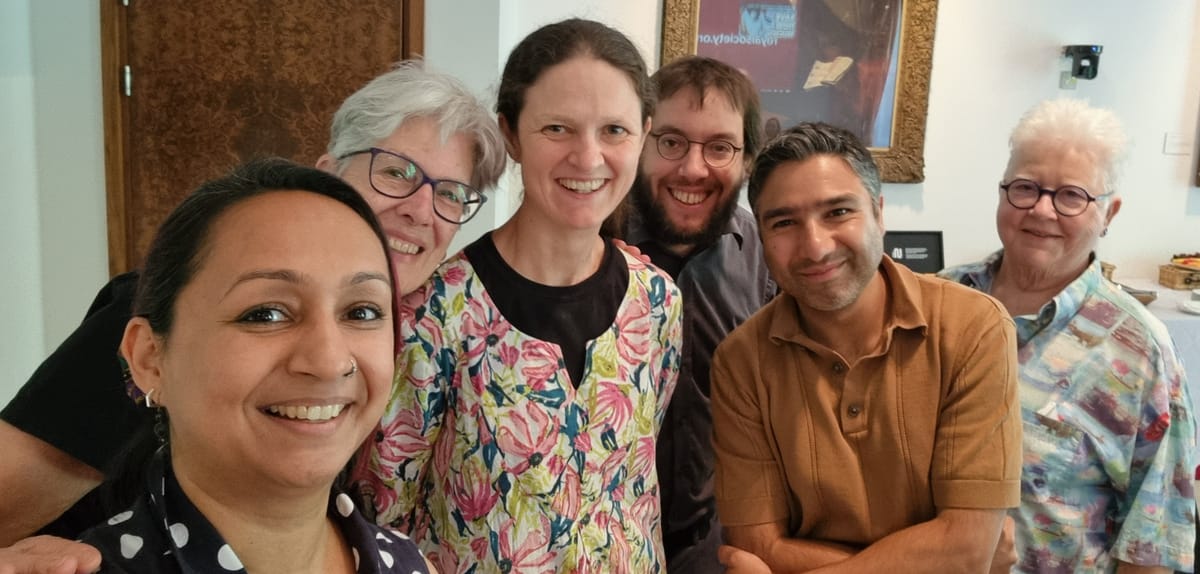
It’ll come as no surprise that I like books. But usually, while I’m writing my own, my reading is pretty restricted to books that serve my research. This year, I was totally honoured and thrilled to be a judge for The Royal Society Trivedi Science Book Prize, and now for the Women’s Prize for Non-Fiction.
Why judge one prize when you can judge two? (While also writing your next book?)
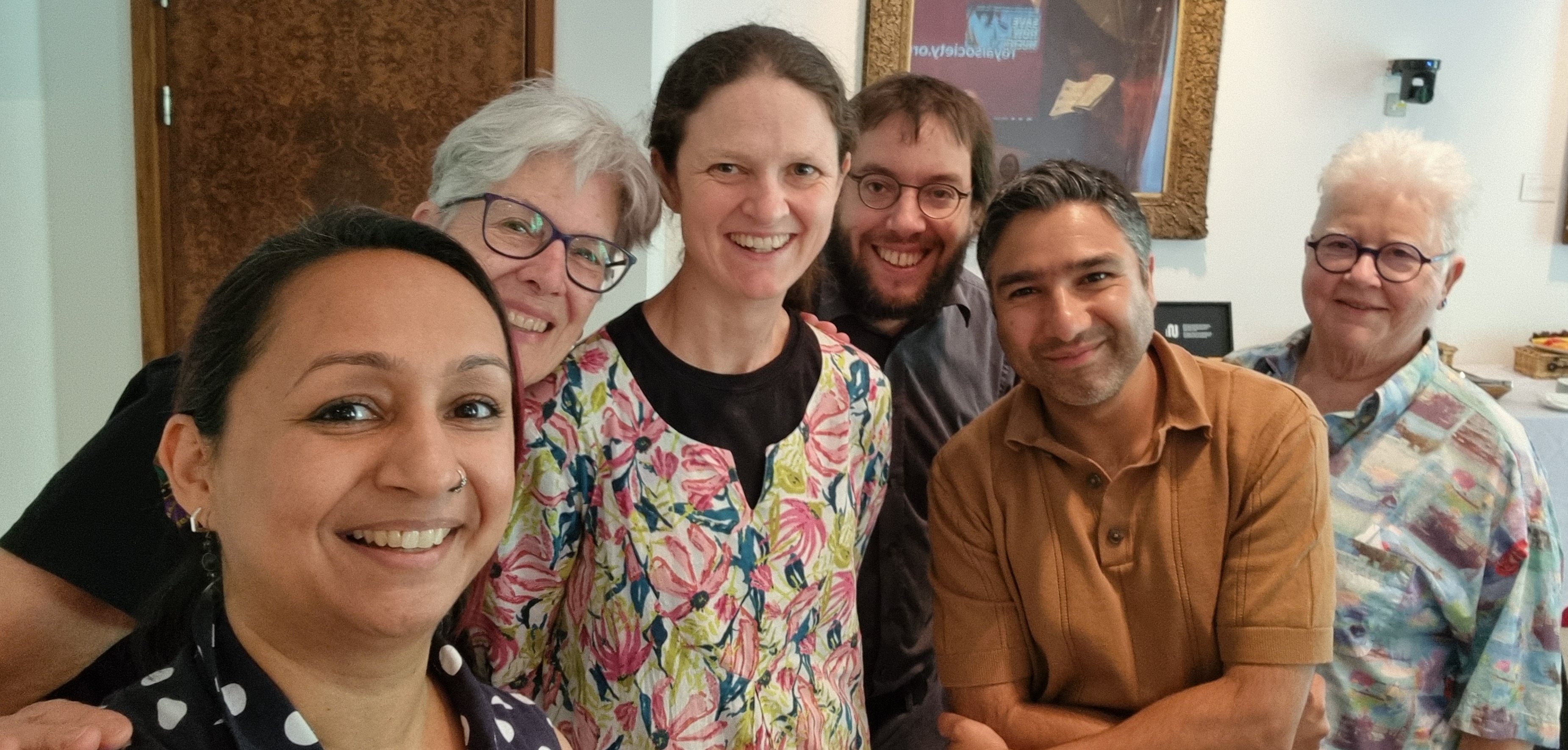
Judging Panel for The Royal Society Trivedi Science Book Prize (L-R)
Roma Agrawal, Sandra Knapp, Amy Bonsor, Jacob Aron, Nick Mohammed, Val McDermid
The brilliant bits are hanging out with super cool people, receiving lots of books to read, and playing a role in promoting great writing. The intimidating ones? Hanging out with super cool people, receiving lots of books to read, and playing a role in promoting great writing…
I (partly) jest, but let me take a moment in this month’s newsletter to reflect on what I’m learning as I read over 100 books in 2025. I’ll use the shortlist for The Royal Society Trivedi Prize to demonstrate (in no particular order). Each book did the things I’m about to list, but I’ll use one book against each observation as an example.
(*I’ve included affiliate links that earns me & indie book shops a small commission)
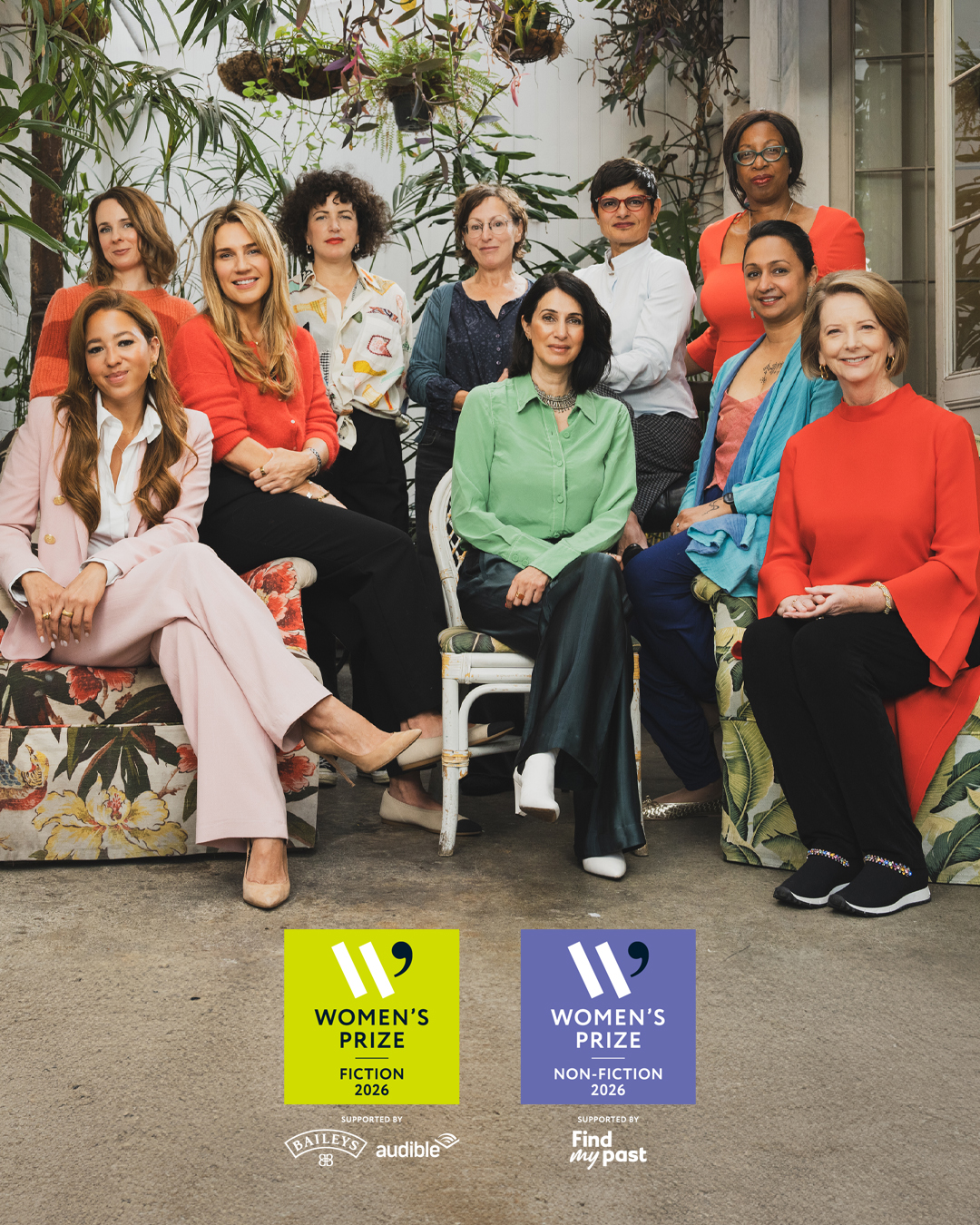
Photo from The Women’s Prize Trust, judging panels 2025
What stands out to me as a judge
Narrative arc
What I mean by this is a thread, a link, a theme that runs throughout the book which makes it a book, rather than a series of essays. The winner of the Science book prize, Masud Husain does this clearly and brilliantly in his Our Brains, Our Selves. As a neurologist, he sees many patients, and uses a simple structure of a case study per chapter. But tying it all together is the question ‘What makes the self? What makes us who we are?’ The stories chosen all contribute to this larger theme, which he discusses in the introduction and conclusion, but also in each chapter. It really made me think about how crucial the brain is in forming our personality, and how fragile our personality is.
A subject seen through a new lens
We are all aware of the concept of extinction, even concerned about it. But interrogating its past and understanding it through a political lens was an eye opening experience for the readers of Vanished, by Sadiah Qureshi. She takes us on a journey back into time to look at how colonialism caused the extinction of multiple species and how the theory of ‘survival of the fittest’ was wrongly used to justify the killing of indigenous peoples. I came away from this book feeling that I’d learned a huge amount about a topic that was familiar to me — but I didn’t know how much I didn’t know.
Compelling story-telling
The Secret Garden of Leningrad read like a novel. Right from the first sentence, I was hooked by the characters and their treacherous journeys ahead. Descriptions painted a picture of where they were situated, how they felt, and the thoughts going through their heads which led to one of the toughest ethical decisions in science. We flitted back and forth between time periods and locations, but Simon Parkin was a safe pair of hands in reminding us of who and where we were. And, it’s a true story. That’s a skill.
Passion
I love reading books where I can see how much the author truly loves their work and their subject, and where this passion is infectious. Neil Shubin’s Ends of the Earth had this shining on every page. He took us to places on the earth that most readers are unlikely to ever visit, but I felt like I could see, smell, hear the landscapes and its creatures. I also enjoyed traversing all the scales: from bacteria to planet and everything in between, it felt like I finished the book and had learned loads about his subject. My biggest takeaway? Ice is cool. (I’m truly hilarious.)
Opening up a secret world
You’ve chosen to write about a subject, and you will have your motivations for doing so as an author. As a reader, I want to be drawn into worlds that I don’t know about and be captivated. Whether that’s environments in which bacteria live, the story of numbers, or in the case of Your Life is Manufactured, the complex global web of making stuff. It’s important not to assume knowledge, and also, not to assume stuff that is routine to you won’t be totally fascinating to a non-expert. Tim shows us how even the most seemingly simple items require materials, putting together and skills from all over. He starts with toilet paper, which leads nicely to…
Making your subject relevant to the reader
There are certain very relatable human experiences, and if you can tap into one of these AND bring in some unfamiliar material, then you have a hook. In Music as Medicine, Daniel Levitin effortlessly brings music and neuroscience together. I’m no expert in either, but I was drawn in because I really wanted to know how they impact each other. I learned about the brain, how sensory stimuli affect it and even what we can do as individuals to support our cognition.
Which brings me to the final: A Call to Action. Jargony, I know, but when I put a book down, I would love to feel energised into doing something. Whether that’s considering my hobbies and if I’m using different parts of my brain, or pondering the ethical dilemmas that science will continue to throw our way, a great book leaves the reader with some next steps.
Now, dear reader of this newsletter, I want to hear from you. Tell me what makes books brilliant in your eyes (or ears) and share some of the actions you’ve taken as a result of reading them.
And might I ask that you share this with your friends and colleagues, it really helps support my work, and it’s free for you to do so. My thanks as always.